Government
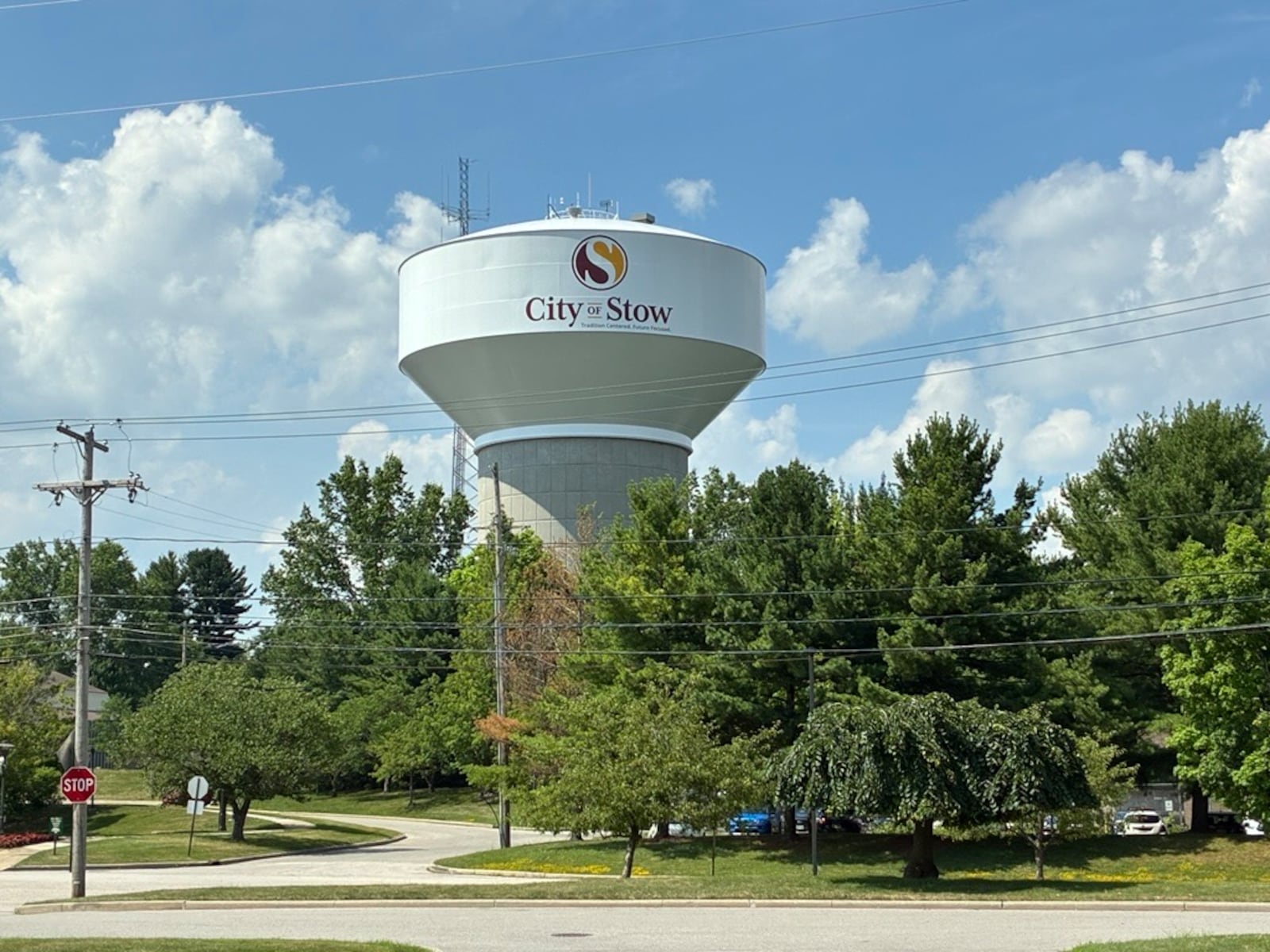
From water meters to new city jobs, Stow's 2027 budget reflects growing costs — here's where $50.9M in spending is headed
By Lila Thompson
Advertisement · Why this ad?
Tommy Ramirez is a seasoned sports journalist with 8 years of experience covering local teams for the Strongsville Press. A graduate of Kent State University with a degree in Journalism, he has a keen eye for detail and a passion for storytelling in sports.
More from Tommy →
CLEVELAND — Automated license plate readers have been a controversial topic across Northeast Ohio. On Monday, the debate resurfaced at Cleveland City Council as an emergency ordinance was introduced proposing a new vendor for the city's surveillance technology. Flock has become a familiar name in discussions surrounding Cleveland's automated license plate readers. However, that could soon change as the city considers switching to Axon Enterprises, Inc. The Department of Public Safety introduced the emergency ordinance Monday, proposing Axon as the city's new automated license plate reader vendor. Mike Polensek, Cleveland City Council's "Dean" and chair of the Public Safety Committee, said council members have limited information about the proposal so far. “Well, there’s nothing here as you can see, no dollar amounts, no deep dive in any of these pieces. In fact, we have a lot of work on our plate,” Polensek said. Polensek supports the use of automated license plate readers, but says the proposed ordinance is vague and requires further review. “We're going to look at the history track record of that company. Has there been any controversy? Any issues with them, “ said Polensek. The mayor's office is pushing for the proposed vendor change, saying in a statement: “The city is confident that axon's platform provides the tools, controls, and accountability measures necessary to protect the civil liberties of our residents while supporting public safety efforts in our most vulnerable neighborhoods” However, not every council member supports the use of automated license plate readers. Ward 12 Councilman Tanmay Shah has continued to raise concerns about how the technology could potentially be used by other agencies. “We shouldn't be serving up our residents on a platter to the federal government in their rule-breaking divisions, whether it's ICE, DHS or Customs and Border Patrol,” Shah said. Shah said the concerns go beyond which vendor, arguing that switching would not address the root of the problem. “Our issue is not with the company Flock, but it is with the underlying technology and how it operates, and that's going to be present whether it's Axon, whether it's Flock,” Shah said. Those concerns are echoed by Bryn Adams, a resident organizing with the group FlockNo, which has actively opposed the use of automated license plate readers. “Axon also has deep ties to the federal government more so than Flock in a lot of ways. They have a history of really troubling ethical violations, and they have a huge monopoly in the police technology surveillance space. So, adding this contract would only further enmesh us in their ecosystem,” said Adams. Adams also expressed concern about the lack of details in the proposed ordinance, saying residents should know more. “We don't want this technology at all. But we feel that if it's going to be adopted, it should be after the public has had significant chance to weigh in and there has been a really robust civic discussion around it,” Adams said. Moving forward, Polensek said council members will take a closer look at the proposal, including the company's track record and how residents will be protected. “The fact of the matter is, cameras are here to stay. But with that, especially when they're supported by the city, we want to make sure that people's rights are being protected,” Polensek said. Nadeen Abusada is a Cuyahoga County and immigration reporter at News 5 Cleveland. Follow her on Instagram NadeenAbusada or email her at [email protected] .
By Lila Thompson

By Jasmine Lee

By Lila Thompson

By Sophie Chen